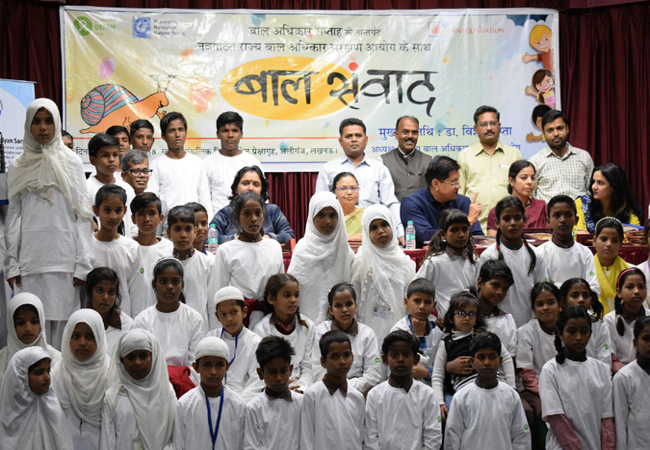
NALANDA has specifically aimed at including them under its different educational endeavors. Despite the many efforts undertaken by the government and NGOs..
Join NowNalanda has taken a pivotal role in propagating the cause of quality education in the country by clint of consolidating its effort as resource agency..
Join NowBe it curriculum implementation, material development or training module development nalanda believe in research based intervention..
Join NowNALANDA is a journey, which started way back in 1996 with the sole objective of providing quality education to every child who had not yet entered that glorious gateway. The idea of Nalanda was conceived by a number of top notch social thinkers, management professionals and education experts, who felt that a separate institution needs to be set up to cater to the aspect of quality in primary education. Accordingly, Nalanda was set upunder society registration act 1860 with the goal of providing universal quality primary education, especially for children from the underprivileged sections of society. Since then Nalanda has been working both as an implementing agency and a Resource Centre for Educational Innovation in the states of Uttar Pradesh, Bihar and Jharkhand, where it intervenes intensively and other states of India, on demand. Nalanda is also registered under FCRA & 80G.
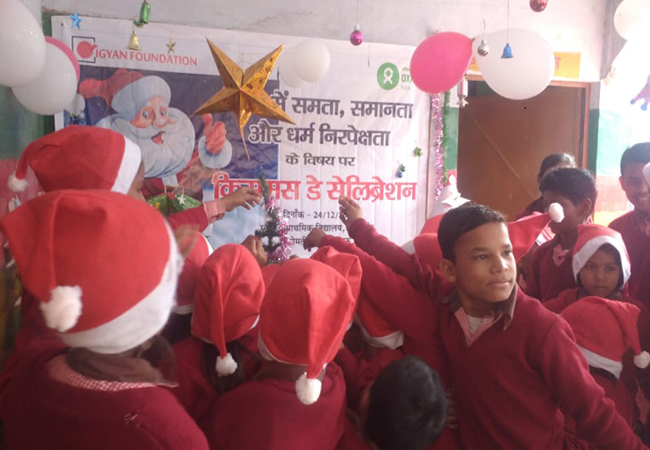
Nalanda essentially believes in the concept of inclusive education wherein education is provided irrespective of caste, socio economic condition.
We exist for non-profits, social enterprises, activists. Lorem politicians and individual citizens.
We exist for non-profits, social enterprises, activists. Lorem politicians and individual citizens.
We exist for non-profits, social enterprises, activists. Lorem politicians and individual citizens.
We exist for non-profits, social enterprises, activists. Lorem politicians and individual citizens.
We exist for non-profits, social enterprises, activists. Lorem politicians and individual citizens.
We exist for non-profits, social enterprises, activists. Lorem politicians and individual citizens.
Lorem ipsum dolor sit amet, consectetur adipisicing elit. Aspernatur, pariatur esse animi temporibus iusto at dolorum
Lorem ipsum dolor sit amet, consectetur adipisicing elit. Aspernatur, pariatur esse animi temporibus iusto at dolorum
Lorem ipsum dolor sit amet, consectetur adipisicing elit. Aspernatur, pariatur esse animi temporibus iusto at dolorum
Lorem ipsum dolor sit amet, consectetur adipisicing elit. Aspernatur, pariatur esse animi temporibus iusto at dolorum
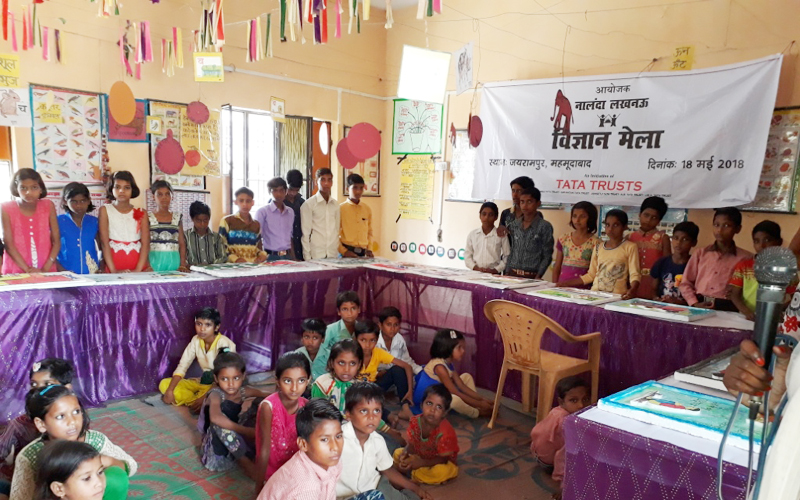
The training programs offered by Nalanda have been specially designed keeping in mind the training needs and competence of local participants as well as the availability of local resource.
Nalanda stresses on the word ‘quality’ and believes that the aim of every entity working on the area should not be limited to linking a child to ‘education’ but to ‘quality education’. .